
- Home
- Industries
Industries
Enabling transformation and progress across a wide range of industries globally, fostering innovation and growth in every sector.
Explore all → - Solutions
Connectivity
Connecting industries worldwide with reliable satellite internet solutions, driving innovation, efficiency, and growth across all sectors globally.
Explore all → - Services
Professional VSAT & IT Services
Delivering expert VSAT and IT solutions for seamless connectivity, reliability, and performance across all sectors.
Explore all → - Products
Superior Connectivity, Trusted Solutions
Offering premium Satcom products that guarantee reliable connectivity and boost innovation across industries.
Explore all → - Coverage
WorldWide Coverage
Delivering tailored satellite services that enhance connectivity, foster innovation, and support growth in every industry.
Explore all → - About
- Blog
- Contact
VSAT BUC
VSAT BUC
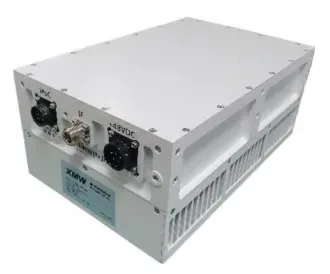
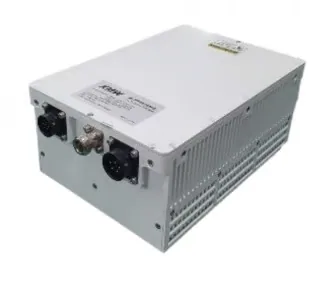
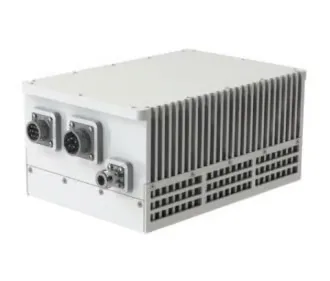
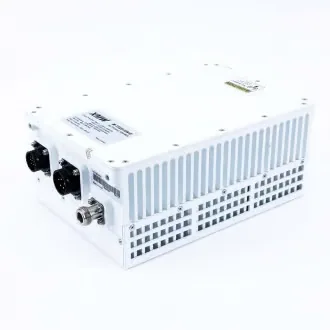
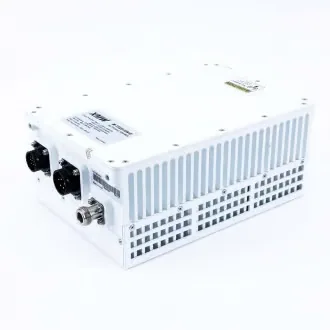
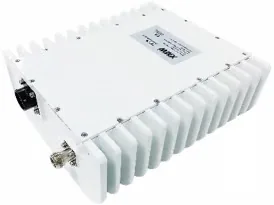
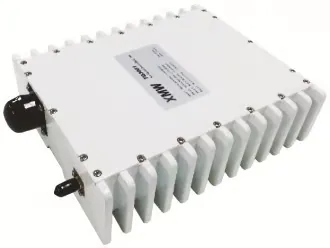
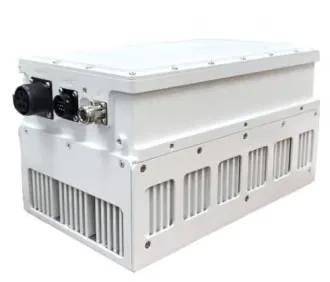
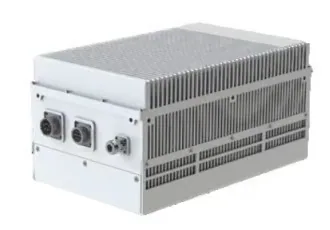
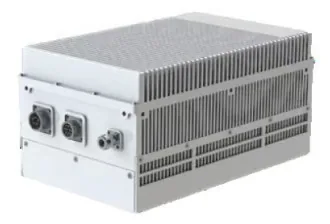
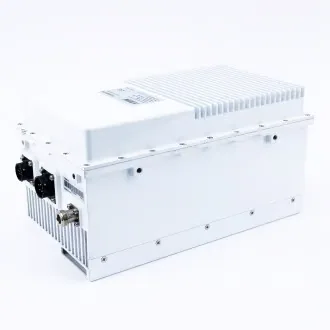
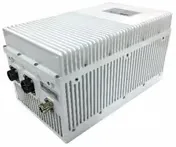
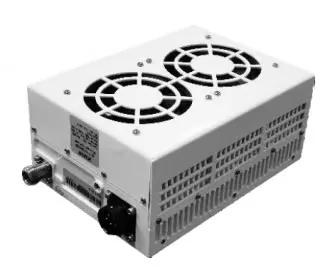
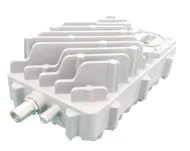
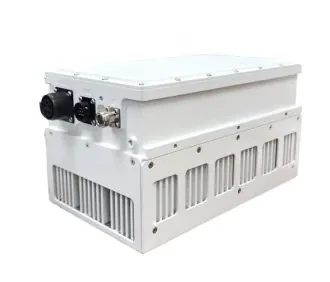
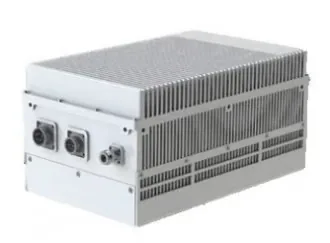
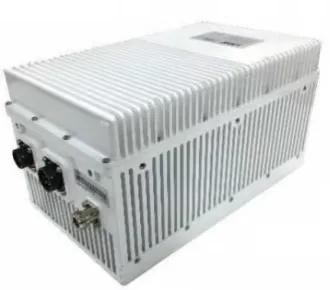
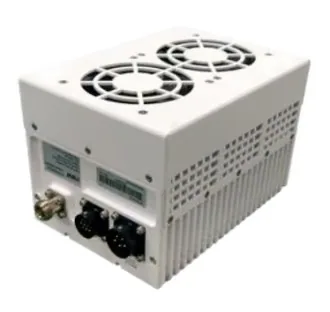
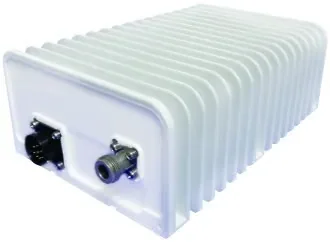
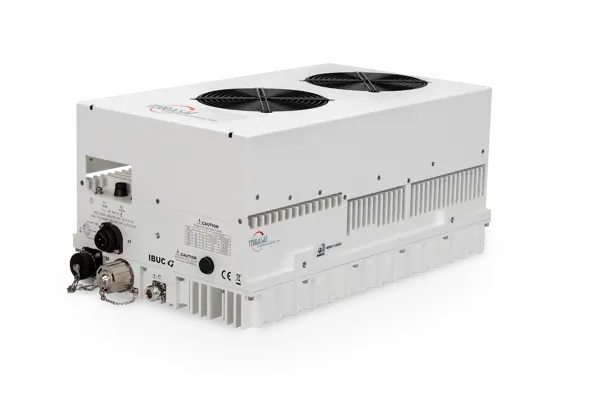
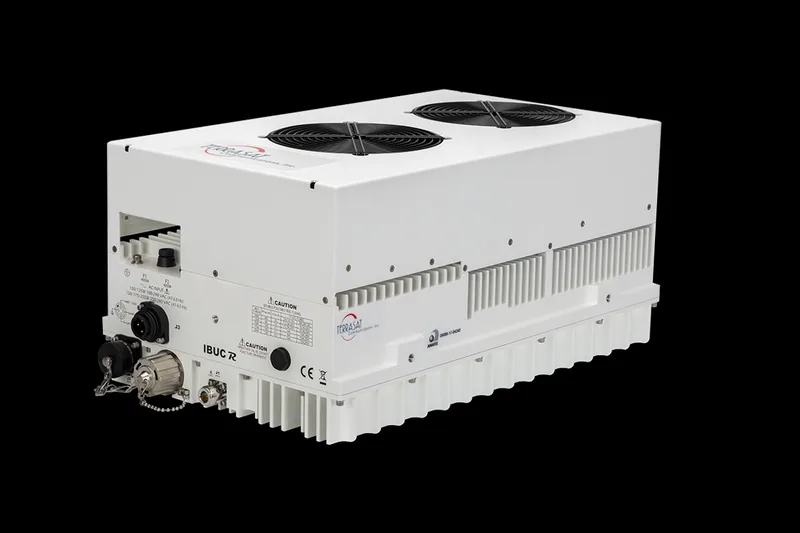
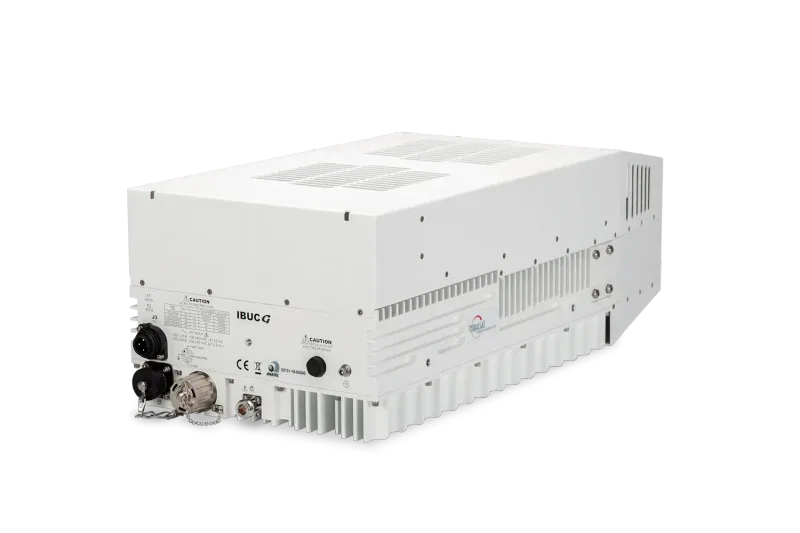
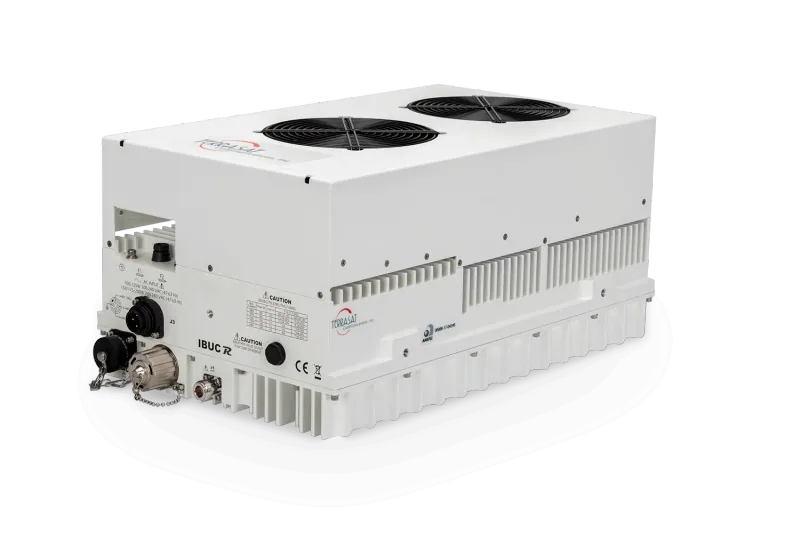
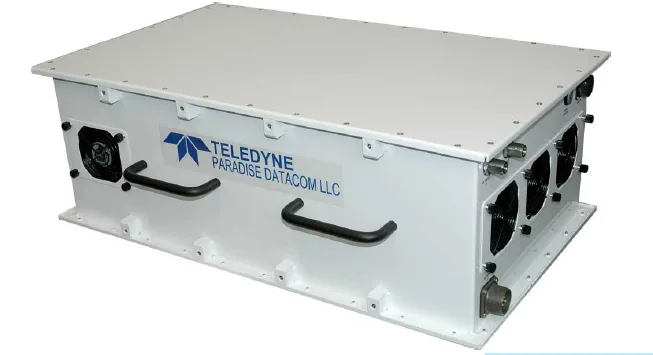
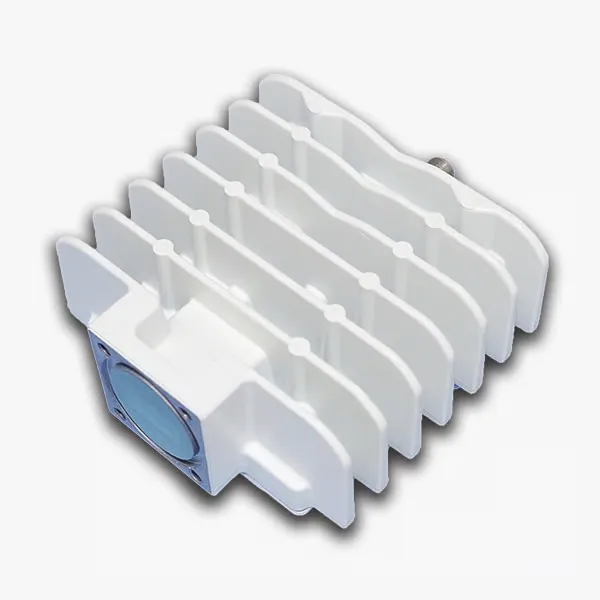
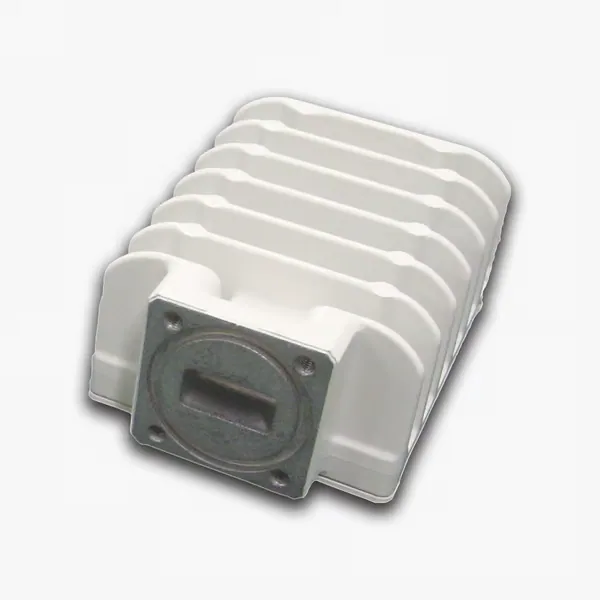
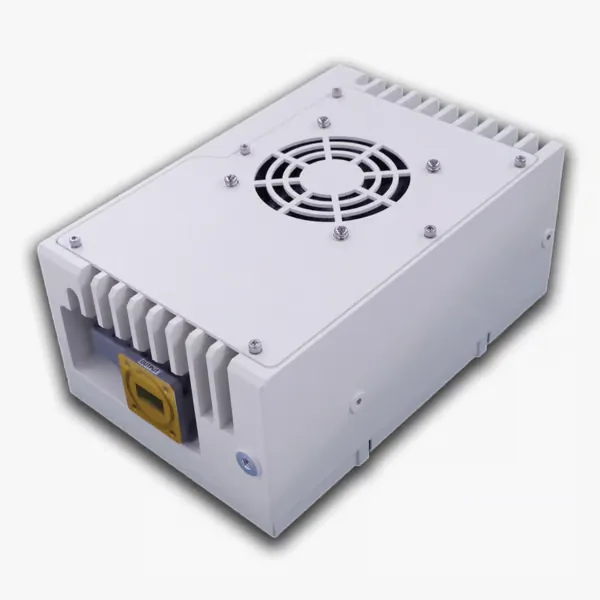
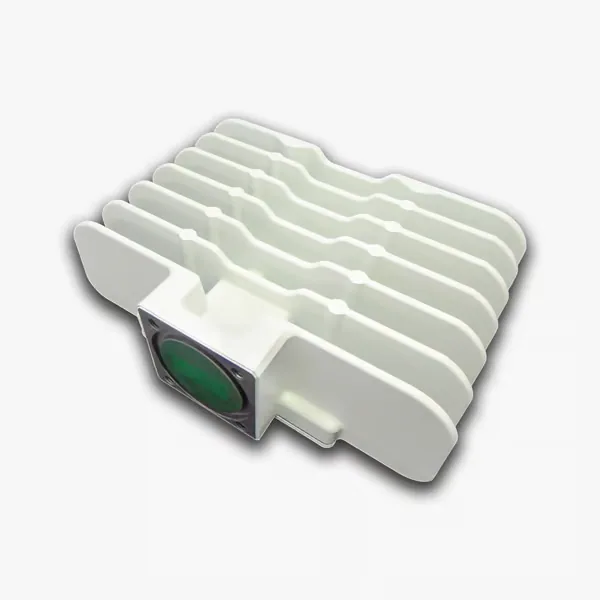
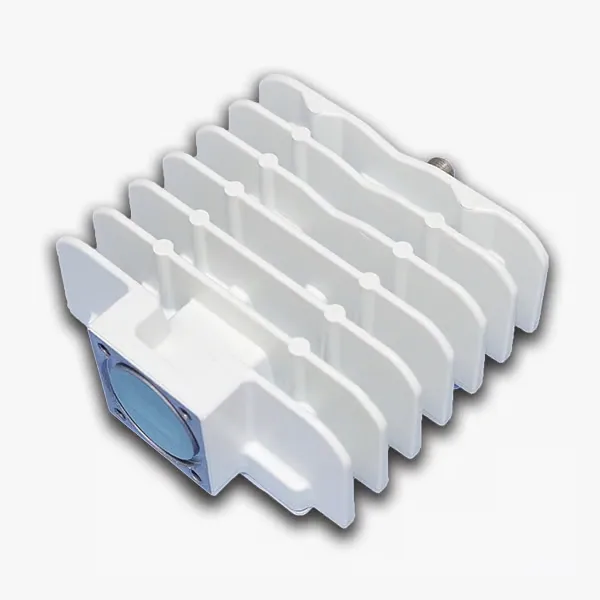
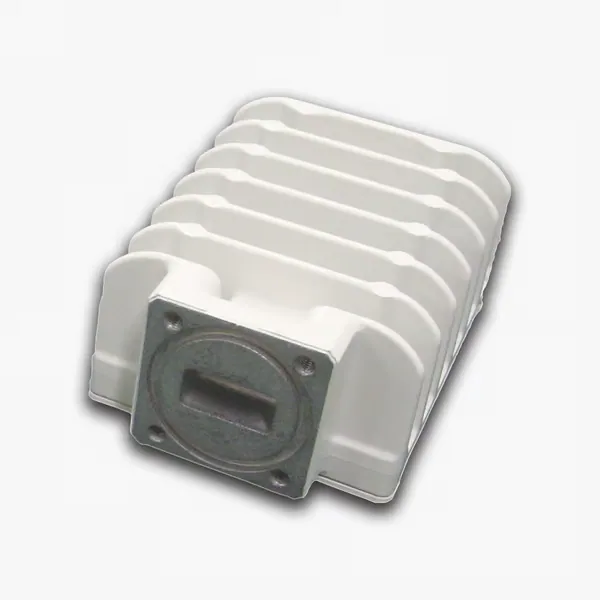
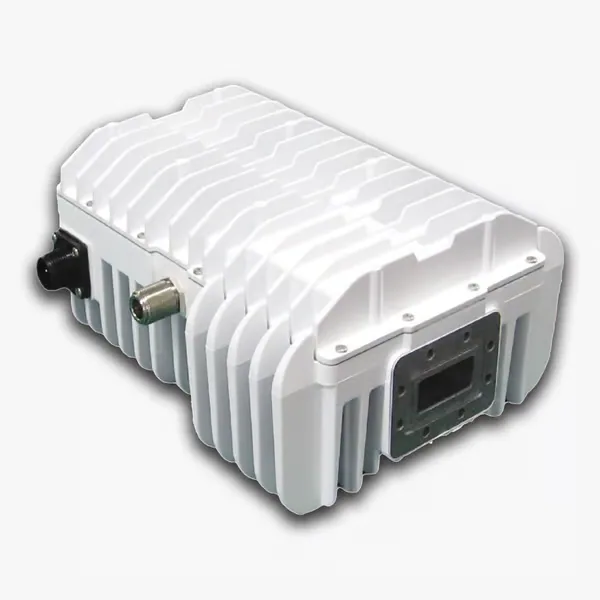
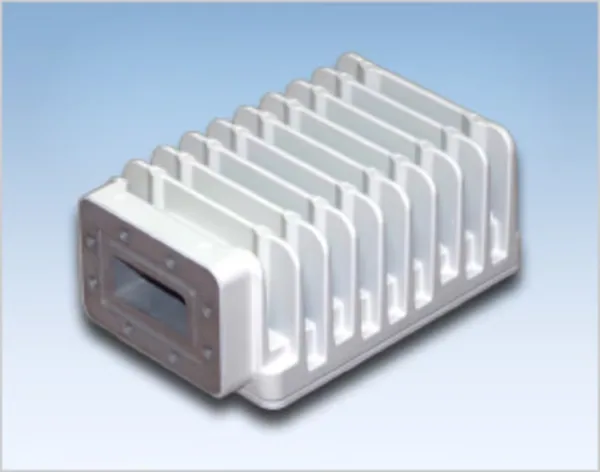
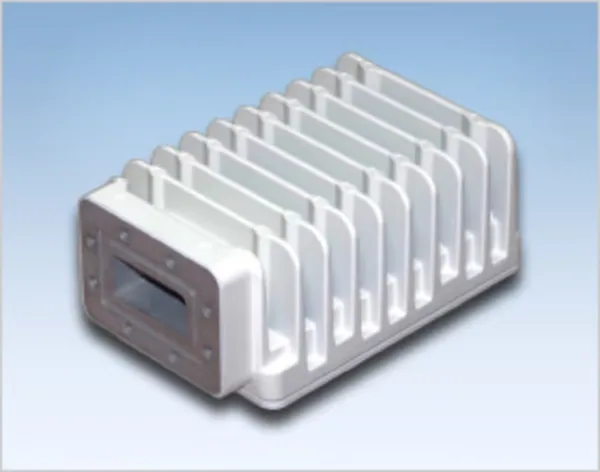
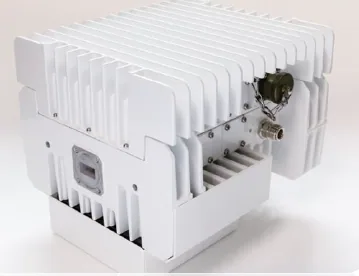
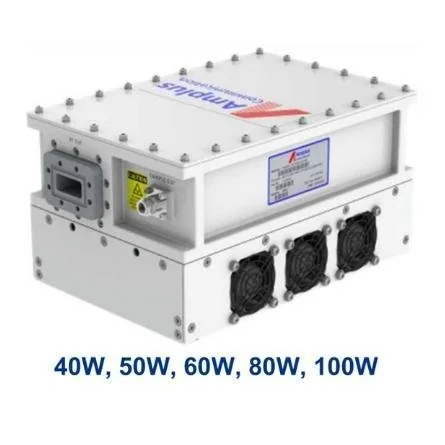
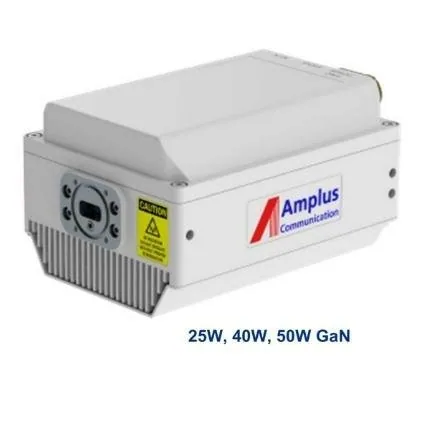
High-performance Block Upconverters (BUCs) for Ku-Band and C-Band satellite transmission. Our BUC range spans 3W to 80W, covering enterprise, government, and maritime VSAT requirements.







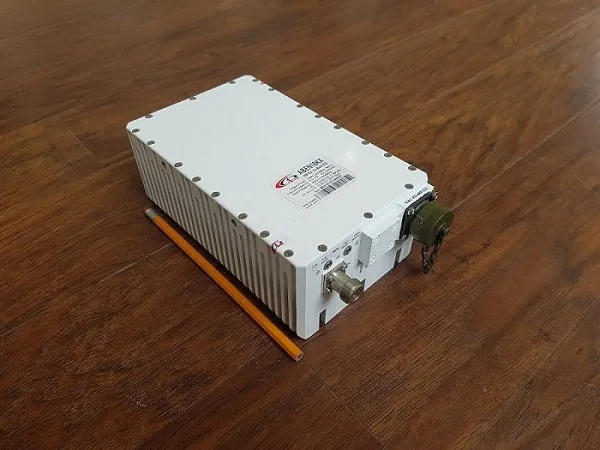
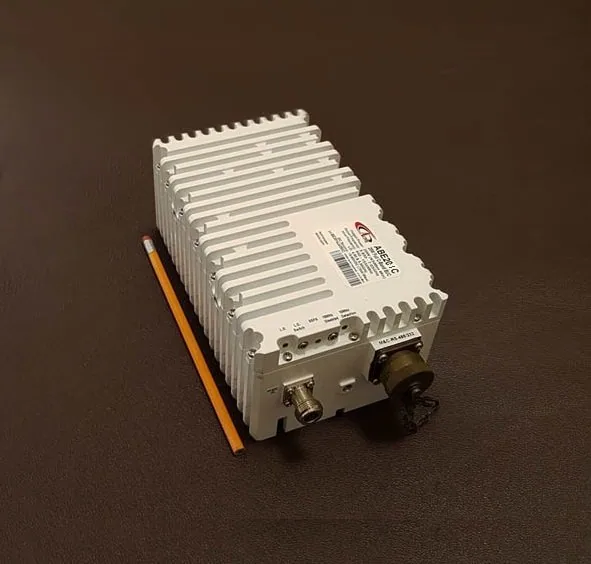
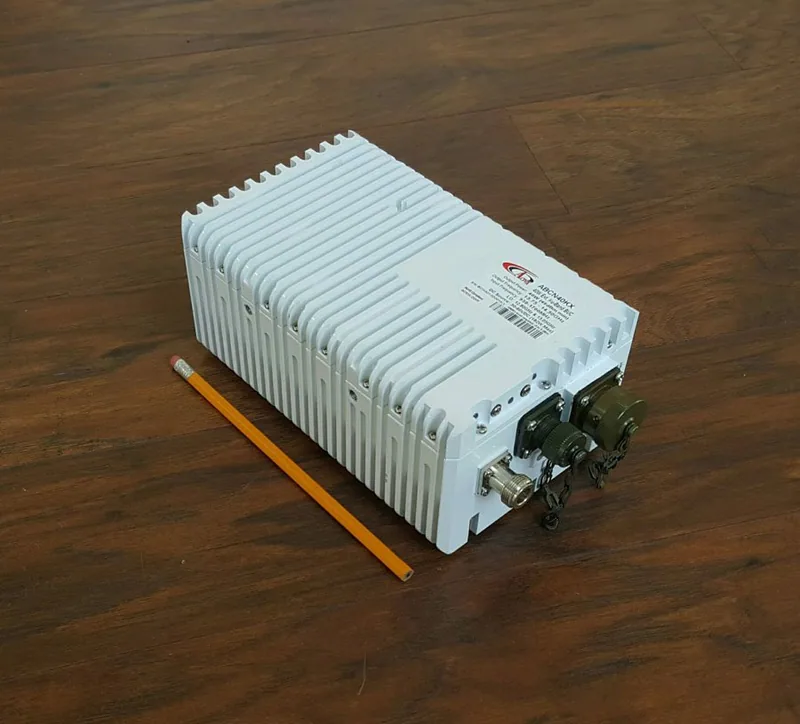
How to Choose a VSAT BUC
Start with the frequency plan, not the wattage. Confirm the exact transmit sub-band your satellite operator has assigned, because a standard Ku-band BUC, a lower Ku unit and an extended or full C-band unit cover different slices of spectrum and are not interchangeable. Next derive the power you need from the link budget: start from the saturated EIRP the carrier requires, subtract antenna transmit gain, add back the waveguide and feed loss ahead of the flange, then add output back-off so the block upconverter stays linear at the modulation order and carrier count you intend to run. Only then look at the interface set. Check the waveguide flange, the IF input connector, whether DC and the 10 MHz reference travel up a single IFL, and how the unit is monitored, whether by FSK over the IF cable, a serial link or Ethernet. Finish with mechanics and environment. Mass and wind area matter on a small antenna arm, and an outdoor BUC in the Gulf has to hold specification at high ambient temperature and in blowing dust.
Ku-Band, C-Band and Ka-Band BUCs Compared
C-band, uplinking roughly between 5.85 and 6.725 GHz, is the most rain tolerant of the three and remains the sensible default for tropical Africa, equatorial shipping lanes and any link where availability outranks terminal size. The penalty is aperture, since the same gain needs a far larger reflector, so C-band terminals tend to start at 2.4 m and grow. Ku-band, transmitting around 13.75 to 14.5 GHz, is the mainstream enterprise, government and maritime choice across MENA: wide beam availability, antennas from about 1 m upwards, and fade that is manageable with sensible margin and adaptive coding and modulation. Ka-band, above 27.5 GHz, delivers the most throughput from the smallest terminal and carries most new high-throughput and mobility capacity, but rain fade is severe and links depend heavily on uplink power control, ACM and beam diversity. In short: C-band for availability, Ku-band for balance, Ka-band for capacity density. Multi-band and mobility BUCs exist for fleets that have to cross all three.
Key BUC Specifications to Compare
P1dB is the number that matters. A BUC sold as 25 W is normally rated at 1 dB compression, and your usable linear power sits several decibels below that once you apply back-off for a DVB-S2X carrier, so never plan a link at the headline figure. Compare gain and gain flatness across the band, since a sloping response complicates carrier balancing on a multi-carrier terminal. Read the spurious, harmonic and phase noise figures, because a narrow low-symbol-rate carrier will expose a poor synthesiser long before a wideband one does. Confirm reference handling: internal oscillator, external 10 MHz, or automatic selection, and the stability quoted for each. Then look at the practical items that decide commissioning, namely a transmit mute, remote attenuation, temperature and current telemetry, an RF sample port for cross-polarisation line-up, and DC input range. GaN output stages generally offer better efficiency and power density than earlier GaAs designs, which shows up as lower prime power draw and easier thermal management on the antenna.
Installation, Integration and Commissioning
A BUC is only as good as the terminal around it. The unit bolts to the feed in the correct polarisation orientation, and any transition or flexible waveguide you add becomes part of your loss and VSWR budget. Size the IFL properly: coaxial run length sets both IF loss and the DC voltage drop seen at the BUC input, which is the single most common cause of a unit that transmits at reduced power or drops out on cold start. Ground the outdoor equipment and fit surge protection at the cable entry. At line-up, the satellite operator will normally ask for a carrier at a set power, a cross-polarisation isolation check and a compression sweep before releasing the terminal into the network, so a monitored BUC with a stable reference makes that session much shorter. GCCSAT can quote the BUC alongside a matching antenna, LNB and modem so the flange, reference, connector and DC arrangements are consistent from the start.
Buying VSAT BUCs in the UAE and Wider GCC
GCCSAT supplies block upconverters from the UAE into the wider GCC, the Levant, North and Sub-Saharan Africa and further afield, drawing on ranges including Terrasat, Nisshinbo Micro Devices, XMW, Teledyne Paradise Datacom, Amplus Communication, Actox and Nexgenwave. Two points specific to amplifiers are worth raising at enquiry stage. The first is that a BUC is never qualified on a satellite network in isolation, because the operator approves the terminal as a whole, so swapping the amplifier on an already approved site can force the combination to be re-tested before it goes back on air. The second is that high-power units, and US-origin designs in particular, can attract export documentation, which is far easier to deal with while the specification is still open than once an order is placed. Tell us the band, sub-band, required saturated power, reference and monitoring preference, waveguide interface and the network you are joining, and GCCSAT will quote on request against that specification.
VSAT BUC — Frequently Asked Questions
What is a BUC and what does it do?
A BUC, or block upconverter, is the outdoor unit that takes the L-band IF output of a satellite modem, converts it as a block to the RF uplink band and amplifies it to the power the antenna needs to close the link. It sits at the antenna feed and normally receives DC power and a 10 MHz reference over the same coaxial IFL that carries the IF. Without it, a modem cannot transmit to the satellite.
What is the difference between a BUC and an SSPA?
An SSPA is a solid state power amplifier that amplifies a signal already at RF, so it needs a separate upconverter in front of it. A BUC combines the upconversion and the amplification in one outdoor housing fed with L-band IF. In practice the categories overlap at high power, where units are often described as BUC or SSPA depending on whether the frequency conversion stage is fitted. For a VSAT terminal driven by an L-band modem, a BUC is the usual choice.
How many watts of BUC do I need?
Size the amplifier from the link budget, not from a rule of thumb. Work out the saturated EIRP the satellite operator requires for your carrier, subtract the transmit gain of your antenna, add feed and waveguide losses, then add output back-off so the BUC runs linearly at your modulation order and carrier count. Note the result against P1dB ratings rather than saturated ones. If you plan to add carriers or move to a higher order modulation later, buy headroom now.
Does a BUC need an external 10 MHz reference?
It depends on the unit and the carrier. Many BUCs include an internal reference oscillator that is adequate for wideband carriers, while models labelled universal accept an external 10 MHz supplied by the modem over the IFL and will normally switch to it automatically. Narrow, low symbol rate carriers and networks with tight frequency accuracy requirements usually mandate the external reference, so confirm what the hub operator expects before ordering.
What is the difference between a GaN and a GaAs BUC?
GaN and GaAs describe the semiconductor technology of the output stage. GaN devices generally achieve higher power density and better efficiency, so a GaN BUC of a given output tends to be smaller, to draw less prime power and to run cooler than an older GaAs design of the same rating. GaAs remains common and proven at lower powers. For antenna-mounted installations where weight, DC supply and heat are constrained, GaN is usually the easier engineering fit.
Can GCCSAT supply VSAT BUCs in the UAE, Saudi Arabia and Africa?
Yes. Block upconverters in Ku-band, C-band and Ka-band are dispatched from the UAE to the wider Gulf, North and Sub-Saharan Africa and beyond. To quote we need the band and sub-band the operator has assigned, the linear output power your link budget calls for, the waveguide interface at the feed, whether you want an internal or external reference, and how you intend to monitor the unit. Amplifiers can be supplied alone or built into a complete terminal, with a written quotation on request.
Product Categories
- VSAT BUC
- VSAT LNB
- VSAT Antennas
- VSAT Fixed Antennas
- VSAT Flyaway Antennas
- VSAT Maritime Antennas
- VSAT KingSat Antennas
- L-Band Satellite Terminals
- Cobham BGAN Terminals
- Thuraya L-Band Terminals
- VSAT Satellite Modems
- Satellite Phones
- Teltonika Products
- Sangfor Firewall & SD-WAN
- Thuraya Accessories
- Excelerate Hybrid Connectivity
- Peplink Products
- VSAT RF Components
- VSAT Hub & Test Equipment
- Remote Site Power Systems
Need a Quote?
Contact our sales team for pricing, availability, and shipping to your location.
Request QuoteWhatsApp