
- Home
- Industries
Industries
Enabling transformation and progress across a wide range of industries globally, fostering innovation and growth in every sector.
Explore all → - Solutions
Connectivity
Connecting industries worldwide with reliable satellite internet solutions, driving innovation, efficiency, and growth across all sectors globally.
Explore all → - Services
Professional VSAT & IT Services
Delivering expert VSAT and IT solutions for seamless connectivity, reliability, and performance across all sectors.
Explore all → - Products
Superior Connectivity, Trusted Solutions
Offering premium Satcom products that guarantee reliable connectivity and boost innovation across industries.
Explore all → - Coverage
WorldWide Coverage
Delivering tailored satellite services that enhance connectivity, foster innovation, and support growth in every industry.
Explore all → - About
- Blog
- Contact
Remote Site Power Systems
Remote Site Power Systems
Direct methanol fuel cell (DMFC) generators that keep a VSAT terminal running where there is no grid. They run quietly, need far less servicing than a diesel genset, and suit unattended remote sites, backup power and portable deployments.
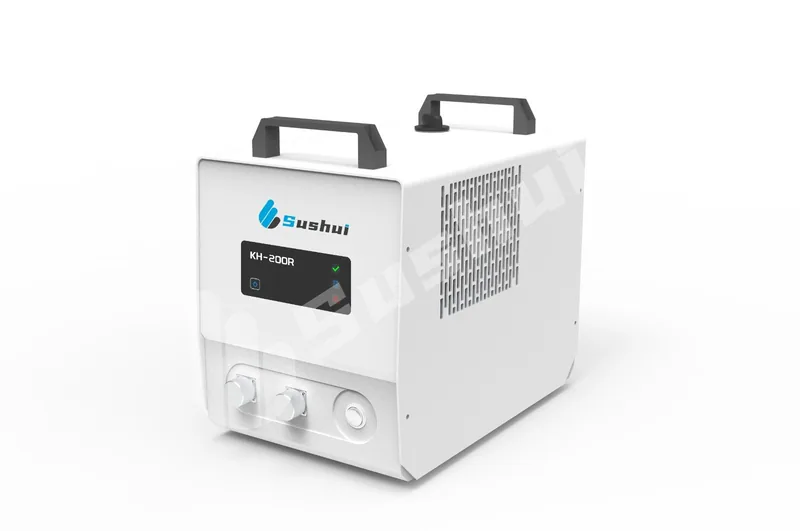
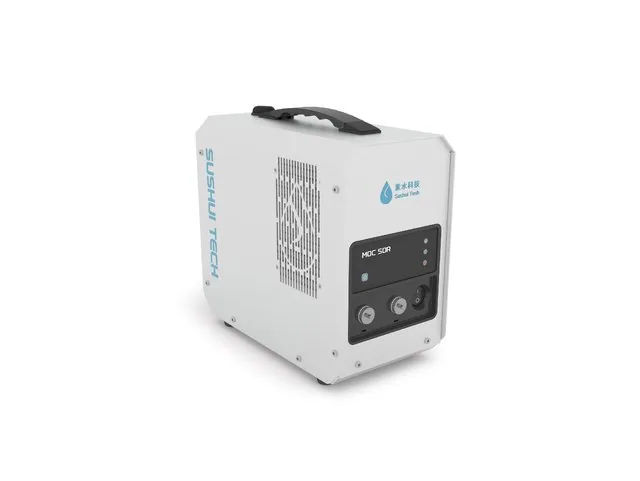
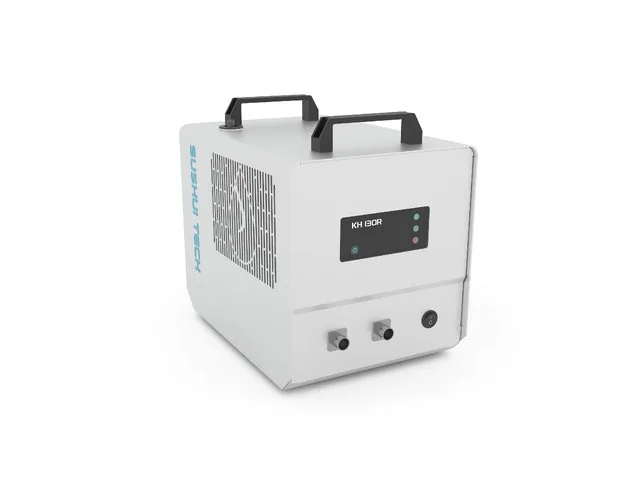
How to Choose a Remote Site Power System for a VSAT Terminal
Begin with an honest load profile. Add the continuous draw of the modem, the BUC or transceiver, the router and any site equipment, then note the peak that occurs when the transmitter is at full power and the antenna is driving motors during acquisition. Continuous average draw sizes the generator; peak draw sizes the battery. Next, decide how long the site must run unattended. That interval multiplied by the average load gives the fuel volume you must store on site, and it is usually the number that decides the entire design. Then look at the environment: ambient temperature, altitude, dust, salt and whether the enclosure is shaded. Finally, weigh access. If a technician can reach the site weekly, several options work. If access is seasonal, by boat, or across a security-restricted route, the long maintenance interval of a fuel cell stops being a convenience and becomes the reason for the purchase.
Methanol Fuel Cells vs Diesel Generators vs Solar
A diesel genset is cheap to buy and serviceable almost anywhere, but it has moving parts, needs oil and filters on a schedule, is noisy, and attracts fuel theft. It also runs poorly and wears quickly when lightly loaded, which is exactly the condition at a small VSAT site. Solar with batteries has no moving parts and no fuel, but the array and battery bank must be sized for the worst season, which makes it large and costly at higher latitudes or in dusty conditions where output falls between cleanings. A direct methanol fuel cell sits between the two: it produces DC quietly with no combustion noise, runs unattended for long periods because it consumes only methanol and air, and starts on demand rather than idling. The pattern that works best in practice is a hybrid. Solar carries the daytime load, batteries carry the night, and the fuel cell covers the seasonal shortfall and the bad weeks.
Output, Fuel Consumption and Environmental Limits
Rated continuous output in watts is the headline figure, but check it at your site temperature, because output derates in heat. Confirm the DC bus voltage, since 12, 24 and 48 V systems are not interchangeable and the rest of the site is already committed to one. Methanol consumption per kilowatt hour is the number that turns runtime into logistics: multiply it by daily energy demand to size the cartridge or tank and to work out refuelling frequency. Check the operating temperature range at both ends, as cold starts and high ambient limits are common failure points. Look at charging behaviour with your battery chemistry, the number of start and stop cycles the stack tolerates, and the ingress protection rating of the enclosure. Finally, insist on remote monitoring. A power system you cannot query is a site visit waiting to happen, and fuel level telemetry is what lets you plan one trip instead of two.
Sizing a Fuel Cell, Battery and Solar Hybrid
Size the battery first. It absorbs transmit peaks, carries the load while the fuel cell is starting, and lets the fuel cell run at its efficient operating point instead of chasing the load. A useful starting rule is enough usable capacity for at least one full day of average consumption, adjusted for the depth of discharge your chemistry tolerates. Then size the fuel cell on average daily energy rather than peak power, because it acts as an automatic battery charger and not as a direct supply. Add solar if the site has the space and the sunlight, and treat the fuel cell contribution as the annual energy shortfall the array cannot cover; that figure sets your methanol consumption. Allow margin for heaters if the climate demands them, for panel soiling in desert conditions, and for load growth, because a remote site rarely ends up carrying only the equipment it was designed for.
Fuel Logistics, Installation and Supply Across MENA and Africa
Methanol is a flammable liquid classed as dangerous goods for transport, so its movement is governed by road, sea and air regulations rather than by convenience. Plan the resupply chain before the system is ordered: where cartridges or drums are sourced regionally, how they reach the site, and how they are stored there safely and securely. In practice this is the difference between a fuel cell that runs for years and one that stops at the first logistics gap. On site, allow for a ventilated enclosure, a level mounting position, correct venting of water vapour and carbon dioxide, and DC cable runs sized for voltage drop, which is easy to underestimate on a 24 V bus. GCCSAT supplies direct methanol fuel cell generators for off-grid VSAT terminals, remote sensors and backup power across the UAE, the GCC, MENA and Africa, and quotes on request against your load profile and required autonomy.
Remote Site Power Systems — Frequently Asked Questions
What is a direct methanol fuel cell generator?
A direct methanol fuel cell generates DC electricity through an electrochemical reaction between methanol and oxygen from the air, without combustion. Because there is no engine, it has almost no moving parts beyond fans and a small pump, runs quietly and needs very little servicing. In a remote power system it normally works as an automatic battery charger: the battery carries the load, and the fuel cell starts when state of charge falls and stops again once the bank is full. The by-products are water and carbon dioxide.
How does a methanol fuel cell compare with a diesel generator for a remote VSAT site?
The fuel cell wins on maintenance, noise and part-load efficiency; the diesel wins on purchase cost and fuel availability. A small VSAT load is exactly the condition in which a diesel runs badly, wet-stacking and wearing prematurely, while a fuel cell is indifferent to being lightly loaded. Fuel cells also run unattended for far longer between service actions, which matters when a site visit is expensive or only possible in certain seasons. Where diesel is cheap and a technician passes regularly, a genset can still be the pragmatic choice.
How do I size a fuel cell for my VSAT terminal?
Work in energy, not power. Add the average draw of the modem, transceiver, router and ancillaries, multiply by 24 to get daily watt hours, then add margin for growth. Size the battery to cover transmit peaks and at least a day of that consumption, and choose a fuel cell whose daily energy output comfortably exceeds daily demand, since it charges the battery rather than feeding the load directly. Multiply daily energy by the unit's methanol consumption per kilowatt hour to work out the fuel you must store.
Do I still need batteries with a fuel cell?
Yes. A fuel cell is not designed to follow a rapidly changing load, and a VSAT terminal draws far more during transmit bursts and antenna acquisition than at idle. The battery bank absorbs those peaks, powers the site during start-up, and allows the fuel cell to cycle on and off at its efficient operating point instead of running continuously. The bank also provides ride-through if the fuel runs out or the unit faults, which is the difference between a warning and a service outage.
Is methanol safe to transport and store at a remote site?
Methanol is a flammable liquid and is regulated as dangerous goods for road, sea and air transport, so shipments must be packaged, labelled and documented accordingly, and air carriage is restricted. On site it is kept in sealed cartridges or a tank in a ventilated area away from ignition sources, and it is toxic if swallowed or absorbed through the skin, so handling procedures matter. The regulations are routine rather than prohibitive, but the resupply route should be confirmed before the system is specified.
Can GCCSAT supply remote site power systems across the UAE, MENA and Africa?
Yes. GCCSAT supplies direct methanol fuel cell generators for off-grid VSAT terminals, unattended sensors, portable deployments and backup power across the UAE, the wider GCC, MENA and Africa. For a useful quotation, send the average and peak site load, the DC bus voltage, how long the site must run unattended between visits, ambient temperature extremes, and whether solar or an existing battery bank forms part of the design. Systems are quoted on request, and the methanol resupply route is worth discussing at the same time.
Product Categories
- VSAT BUC
- VSAT LNB
- VSAT Antennas
- VSAT Fixed Antennas
- VSAT Flyaway Antennas
- VSAT Maritime Antennas
- VSAT KingSat Antennas
- L-Band Satellite Terminals
- Cobham BGAN Terminals
- Thuraya L-Band Terminals
- VSAT Satellite Modems
- Satellite Phones
- Teltonika Products
- Sangfor Firewall & SD-WAN
- Thuraya Accessories
- Excelerate Hybrid Connectivity
- Peplink Products
- VSAT RF Components
- VSAT Hub & Test Equipment
- Remote Site Power Systems
Need a Quote?
Contact our sales team for pricing, availability, and shipping to your location.
Request QuoteWhatsApp