
- Home
- Industries
Industries
Enabling transformation and progress across a wide range of industries globally, fostering innovation and growth in every sector.
Explore all → - Solutions
Connectivity
Connecting industries worldwide with reliable satellite internet solutions, driving innovation, efficiency, and growth across all sectors globally.
Explore all → - Services
Professional VSAT & IT Services
Delivering expert VSAT and IT solutions for seamless connectivity, reliability, and performance across all sectors.
Explore all → - Products
Superior Connectivity, Trusted Solutions
Offering premium Satcom products that guarantee reliable connectivity and boost innovation across industries.
Explore all → - Coverage
WorldWide Coverage
Delivering tailored satellite services that enhance connectivity, foster innovation, and support growth in every industry.
Explore all → - About
- Blog
- Contact
VSAT LNB
VSAT LNB
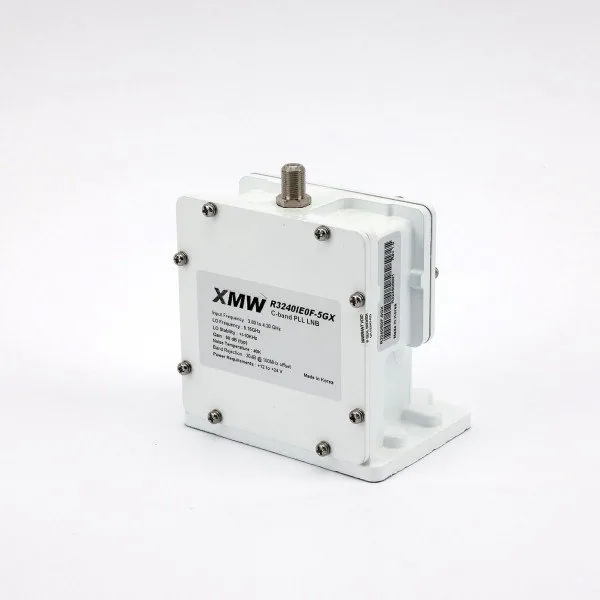
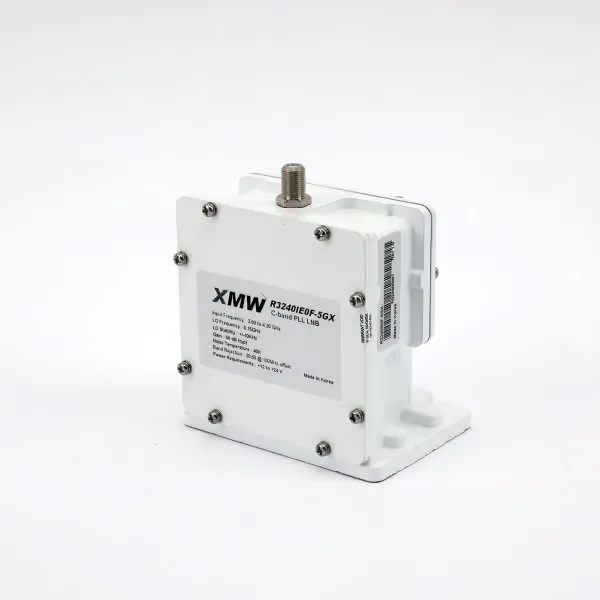
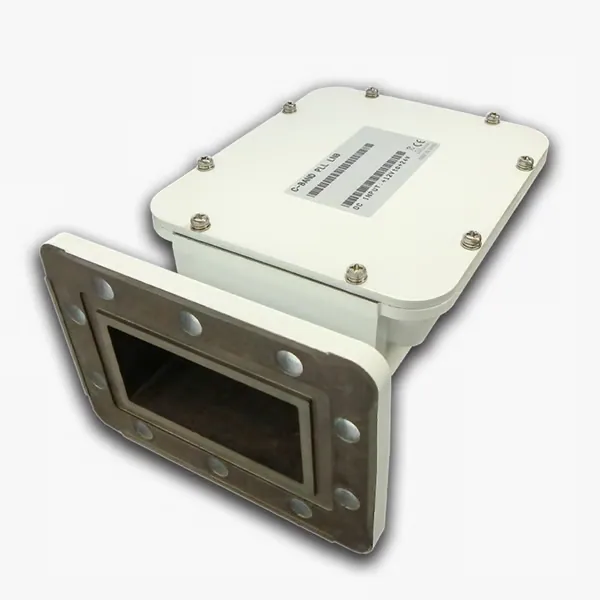
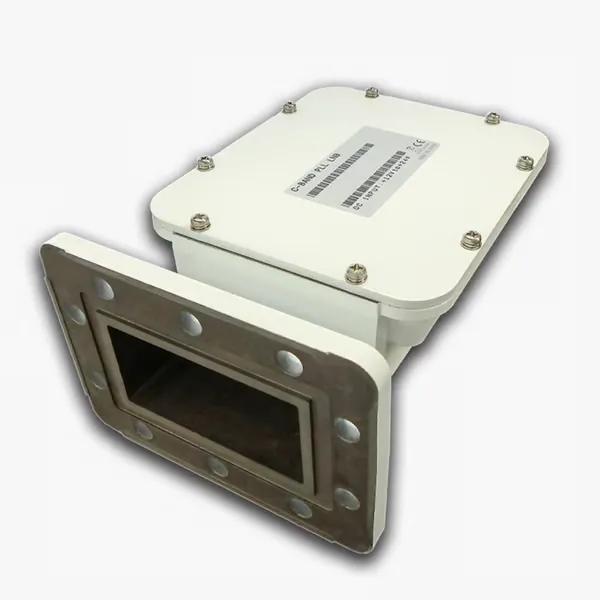
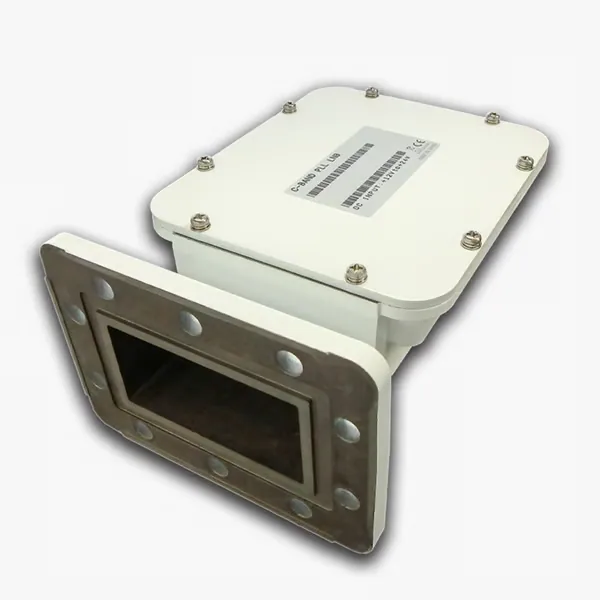
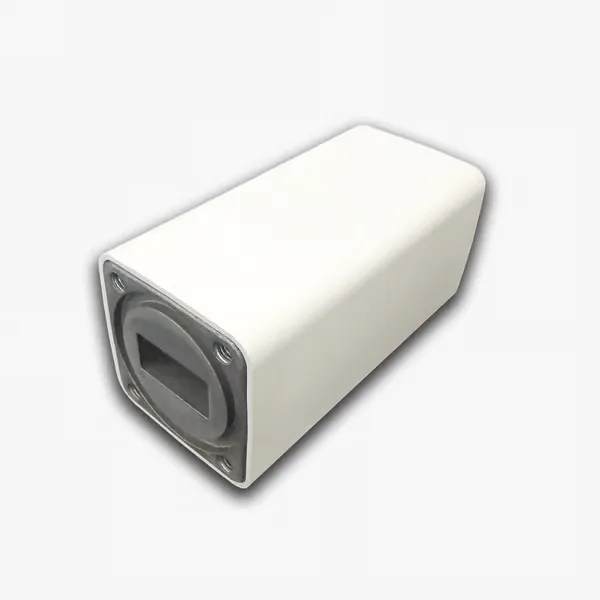
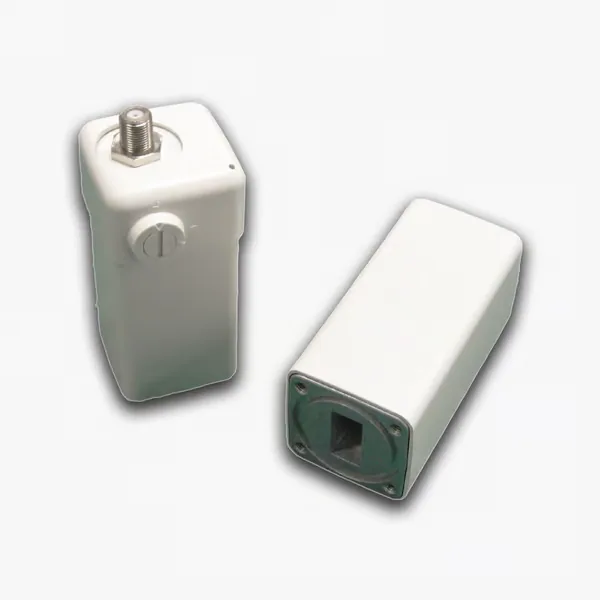
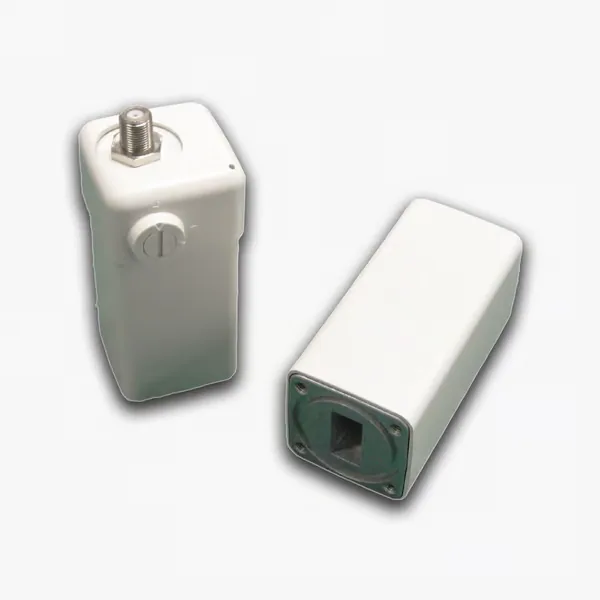
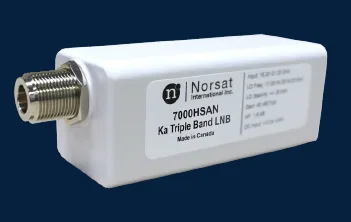
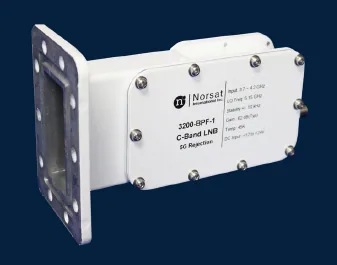
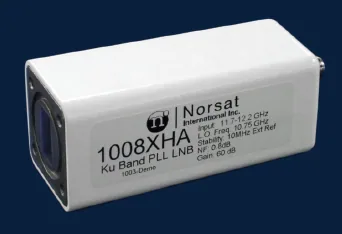
Professional-grade Low-Noise Block Downconverters (LNBs) for Ku-Band and C-Band VSAT satellite receive systems. Our LNB range from NJRC, Norsat, iDirect, and Swedish Microwave ensures excellent noise figure and frequency stability.


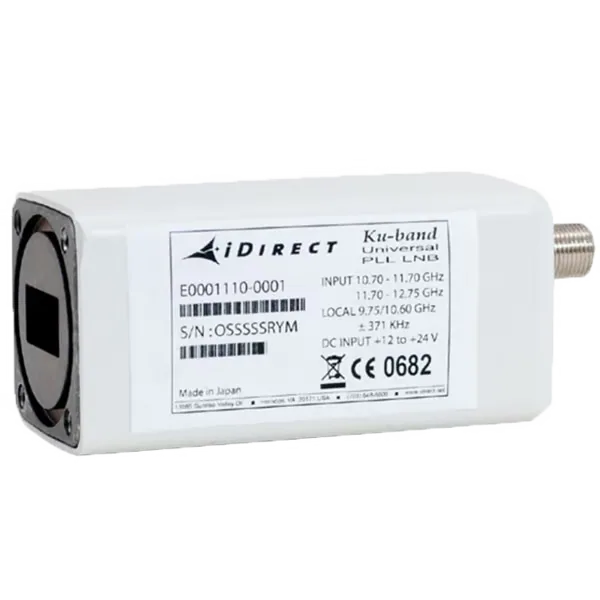
How to Choose a VSAT LNB
Begin with the receive band and the local oscillator plan, because those two items determine whether the LNB will place your carrier where the modem expects it. A universal Ku-band LNB with two local oscillators covers the broad broadcast and enterprise downlink range, while single band professional units target a narrower slice with better stability. C-band buyers must decide between standard, extended and INSAT coverage before anything else. Next comes noise performance, expressed as a noise figure in decibels at Ku-band and Ka-band or as a noise temperature in kelvin at C-band. Then set the stability requirement from the narrowest carrier you plan to receive. After that the questions are mechanical and electrical: waveguide interface and polarisation feed, output connector, DC voltage and current, whether the unit is powered over the receive IFL, and whether an external 10 MHz reference is available or required. Finish with environment, since an outdoor LNB in the Gulf needs to hold specification through large diurnal temperature swings.
PLL versus DRO, and Why LO Stability Decides Narrow Carriers
A dielectric resonator oscillator LNB is cheap and adequate for wide DVB-S television carriers, but its local oscillator is free running and drifts with temperature, typically by a megahertz or more across the specified range and by several megahertz on the cheapest units. A phase locked loop LNB disciplines the oscillator against a crystal or an injected 10 MHz reference and holds frequency far more tightly, which is why professional VSAT networks specify PLL units almost universally. The reason is arithmetic. If your carrier occupies only a few hundred kilohertz, a downconverter that wanders by a comparable amount will push the signal outside the demodulator search window, and the terminal will lose lock overnight as the equipment cools. External reference LNBs go a step further by locking to the same 10 MHz that disciplines the modem and the BUC, giving the whole terminal one frequency source. Specify PLL for any SCPC, mesh or low symbol rate service, and specify external reference where the network operator asks for it.
Key LNB Specifications to Compare
Noise figure or noise temperature is the headline, and it feeds directly into terminal G/T, but the difference between competing professional units is often smaller than the loss you can introduce with a poor feed or a wet connector. Read local oscillator stability as an absolute figure over the full temperature range, not at 25 degrees Celsius. Compare conversion gain and gain flatness, since excessive gain slope across a wide receive band complicates automatic gain control at the modem. Check phase noise, which matters for higher order modulation and for narrow carriers. Confirm image rejection and in-band spurious levels if the site sits near terrestrial transmitters. Then check the plumbing: interface flange or feed type, polarisation, output connector, DC range and current draw over the IFL, and whether the LNB supports an external reference input or a reference detect mode. Where several LNBs share one antenna, plan the splitter and DC injection path at the same time.
C-Band, Ku-Band and Ka-Band LNBs, and Terrestrial Interference
C-band downlink sits in the same neighbourhood as terrestrial mobile allocations in a growing number of countries, and 5G deployments in the adjacent spectrum are now a routine cause of desensitised receivers and unexplained link degradation at teleports and remote sites. The practical answer is a C-band LNB fitted with a band-pass or steep sub-band filter that attenuates the offending energy ahead of the first amplifier stage, because filtering after the LNB is too late once the front end is saturated. Ku-band receivers are less exposed to that particular problem but more exposed to rain fade, so the receive design leans on antenna gain and adaptive coding rather than filtering. Ka-band LNBs cover a much wider swathe of spectrum and are usually specified as part of a matched high-throughput terminal. If you are extending an existing C-band site, survey the local terrestrial environment before choosing between a standard and a filtered unit.
Buying VSAT LNBs in the UAE, the GCC and Africa
GCCSAT supplies low-noise block downconverters from the UAE into the GCC, the wider MENA region, Africa and beyond, with ranges including Nisshinbo Micro Devices, Norsat International, ST Engineering iDirect, Swedish Microwave and XMW. Most enquiries are resolved quickly if you send four things: the receive band and required coverage, the narrowest carrier you have to demodulate, the antenna feed interface, and whether the hub operator requires an external 10 MHz reference. Where the LNB is being ordered as a replacement, note the model it is replacing and the local oscillator frequency the modem is configured for, since a mismatched LO is the most common cause of a downlink that appears dead after a swap. GCCSAT can quote LNBs on their own or as part of a matched antenna, BUC and modem set, and pricing is provided on request against your specification.
VSAT LNB — Frequently Asked Questions
What is a VSAT LNB and what does it do?
An LNB, or low-noise block downconverter, is the receive unit at the antenna feed. It amplifies the very weak signal arriving from the satellite with as little added noise as possible, then converts the whole receive band down to L-band so it can travel along a coaxial cable to the indoor modem. It is normally powered over that same cable. Its noise performance sets much of the terminal G/T and therefore the receive link margin.
What is the difference between an LNB and a BUC?
They are the two halves of the outdoor unit. The LNB handles receive: it amplifies and downconverts the satellite signal to L-band for the modem. The BUC handles transmit: it upconverts the modem L-band output to the uplink band and amplifies it to the required power. A transmit and receive VSAT terminal needs both, plus an orthomode transducer or feed that separates the two paths at the antenna.
What is the difference between a PLL LNB and a DRO LNB?
A PLL LNB locks its local oscillator to a crystal or an external 10 MHz reference, so its frequency stays within a tightly specified window across temperature. A DRO LNB uses a free-running dielectric resonator and can drift significantly as the ambient temperature changes. For narrow SCPC carriers, mesh networks and any professional VSAT service, specify PLL. DRO units are generally acceptable only for wide broadcast carriers where the demodulator has plenty of search range.
What noise figure do I need for my LNB?
Take the requirement from your receive link budget rather than buying the lowest number available. Noise figure feeds into terminal G/T along with antenna gain and feed losses, and on a larger dish an extra tenth of a decibel of noise figure rarely decides the link. On a small aperture, in a low elevation beam, or on a marginal carrier, it matters more. C-band units are usually quoted as a noise temperature in kelvin instead of a decibel figure.
Do I need a filtered C-band LNB because of 5G interference?
If your site is anywhere near terrestrial mobile transmitters operating in or beside the C-band downlink, a filtered LNB is worth specifying. Strong out-of-band energy can compress the LNB front end, which raises the noise floor and degrades the link even though the interference never reaches the demodulator. A band-pass filter integrated ahead of the amplifier stage solves what no amount of downstream filtering can. Survey the local spectrum environment before deciding.
Can GCCSAT supply VSAT LNBs in the UAE and across MENA and Africa?
Yes. GCCSAT ships C-band, Ku-band and Ka-band low-noise block downconverters from the UAE throughout the Gulf, the Levant, Africa and further afield. A quotation needs the receive band and the coverage it has to span, the local oscillator frequency your modem is configured for, the feed or waveguide interface at the antenna, and confirmation of whether the hub operator insists on an external 10 MHz reference. Single units and complete terminal sets are both handled, and quotations are issued on request.
Product Categories
- VSAT BUC
- VSAT LNB
- VSAT Antennas
- VSAT Fixed Antennas
- VSAT Flyaway Antennas
- VSAT Maritime Antennas
- VSAT KingSat Antennas
- L-Band Satellite Terminals
- Cobham BGAN Terminals
- Thuraya L-Band Terminals
- VSAT Satellite Modems
- Satellite Phones
- Teltonika Products
- Sangfor Firewall & SD-WAN
- Thuraya Accessories
- Excelerate Hybrid Connectivity
- Peplink Products
- VSAT RF Components
- VSAT Hub & Test Equipment
- Remote Site Power Systems
Need a Quote?
Contact our sales team for pricing, availability, and shipping to your location.
Request QuoteWhatsApp