
- Home
- Industries
Industries
Enabling transformation and progress across a wide range of industries globally, fostering innovation and growth in every sector.
Explore all → - Solutions
Connectivity
Connecting industries worldwide with reliable satellite internet solutions, driving innovation, efficiency, and growth across all sectors globally.
Explore all → - Services
Professional VSAT & IT Services
Delivering expert VSAT and IT solutions for seamless connectivity, reliability, and performance across all sectors.
Explore all → - Products
Superior Connectivity, Trusted Solutions
Offering premium Satcom products that guarantee reliable connectivity and boost innovation across industries.
Explore all → - Coverage
WorldWide Coverage
Delivering tailored satellite services that enhance connectivity, foster innovation, and support growth in every industry.
Explore all → - About
- Blog
- Contact

Authorized Starlink Reseller
Starlink Business and Maritime Solutions with Peplink
Starlink brings low-latency, high-throughput connectivity to vessels, remote camps and branch sites, and pairing it with Peplink SD-WAN turns that link into dependable business infrastructure. GCCSAT is an authorized Starlink reseller and Peplink partner. We supply Starlink to customers outside the UAE, where satellite internet services are not sold under national regulations, and handle the whole chain: kit selection, licensing guidance, installation, bonding with other links and 24/7 monitoring by our NOC.
Starlink availability and licensing differ from country to country, and maritime use inside territorial waters depends on local approval, so we confirm what is permitted for each site or route before anything ships. This page covers which Starlink kits suit which deployments, how we bond Starlink with Peplink, and what a professional installation involves.
At a glance
Licensing checked first
Before ordering, we confirm Starlink availability for your country, port calls or operating area and advise on the approvals needed, so terminals are not left switched off on arrival.
Right kit for each platform
Performance kits for vessels and harsh sites, Standard kits for fixed locations and Starlink Mini for portable or vehicle use, each matched to power, mounting and cable runs.
Multiple dishes, one link
Peplink routers bond two or more Starlink terminals, plus cellular or VSAT, so capacity adds up and an obstructed dish does not interrupt crew calls or business systems.
Starlink status in one view
Peplink InControl displays Starlink telemetry alongside your other links, and our NOC watches for obstructions, outages and throughput drops around the clock.
Which Starlink Kit Fits Your Vessel, Vehicle or Site
For vessels, offshore platforms and other exposed or high-vibration locations we normally specify the Starlink Performance kit, which Starlink designs for extreme weather, in-motion use and harsh environments, with a power supply that accepts AC or DC input. The Standard kit suits fixed sites such as offices, camps and warehouses, while Starlink Mini, with built-in Wi-Fi and DC power input, works for vehicles, flyaway packs and temporary teams. On larger ships and busy sites, two or more terminals spread around the superstructure reduce the chance that masts, cranes or buildings block the sky.
Starlink and Peplink Together: Bypass Mode, Bonding and Public IP
Each Starlink terminal connects to its own Peplink WAN port, with any Starlink router placed in bypass mode so the Peplink handles routing, security and traffic policies. With two or more dishes, or Starlink plus cellular or VSAT, SpeedFusion bonds the links into one tunnel, so an obstruction on one side of the ship or a satellite handover does not drop calls. Peplink's Starlink integration adds dish telemetry in InControl, an option to ignore brief obstruction outages and the ability to use Starlink's GPS for location tracking. Because Starlink does not offer truly static IP addresses, a SpeedFusion endpoint can also provide a stable public address.
Starlink Maritime Coverage and Country Licensing
Starlink can be used in international waters around the globe on a suitable plan, but inside territorial waters it may only be used where SpaceX or the user holds the necessary license, and some coastal states restrict it entirely. On land, availability also varies, and business availability can differ from the consumer view of Starlink's map. GCCSAT does not supply Starlink service within the UAE. For vessels and sites elsewhere, we check official availability, every country on your route and any local approvals, then design cellular or VSAT backup for areas where Starlink cannot legally be used.
Professional Starlink Installation, Step by Step
A clean installation decides how well Starlink performs. Our engineers survey the vessel or site with Starlink's obstruction check, choose mounting positions with a clear view of the sky, and plan cable routes within Starlink's maximum lengths. We fit approved mounts, run and seal cabling, connect power and the Peplink router, then commission the system with throughput and failover tests before handing over documentation and enrolling every terminal in our 24/7 NOC monitoring.
- Site or vessel survey and obstruction check
- Mount placement clear of masts, radar and other antennas
- Cable routing, sealing, power and grounding
- Peplink configuration and failover testing
- Handover, documentation and 24/7 NOC monitoring
Peplink routers we pair with Starlink
 Peplink Balance 310 Fiber 5GPeplink Balance 310 Fiber 5G router for bonding fiber WAN with 5G cellular using SpeedFusion.
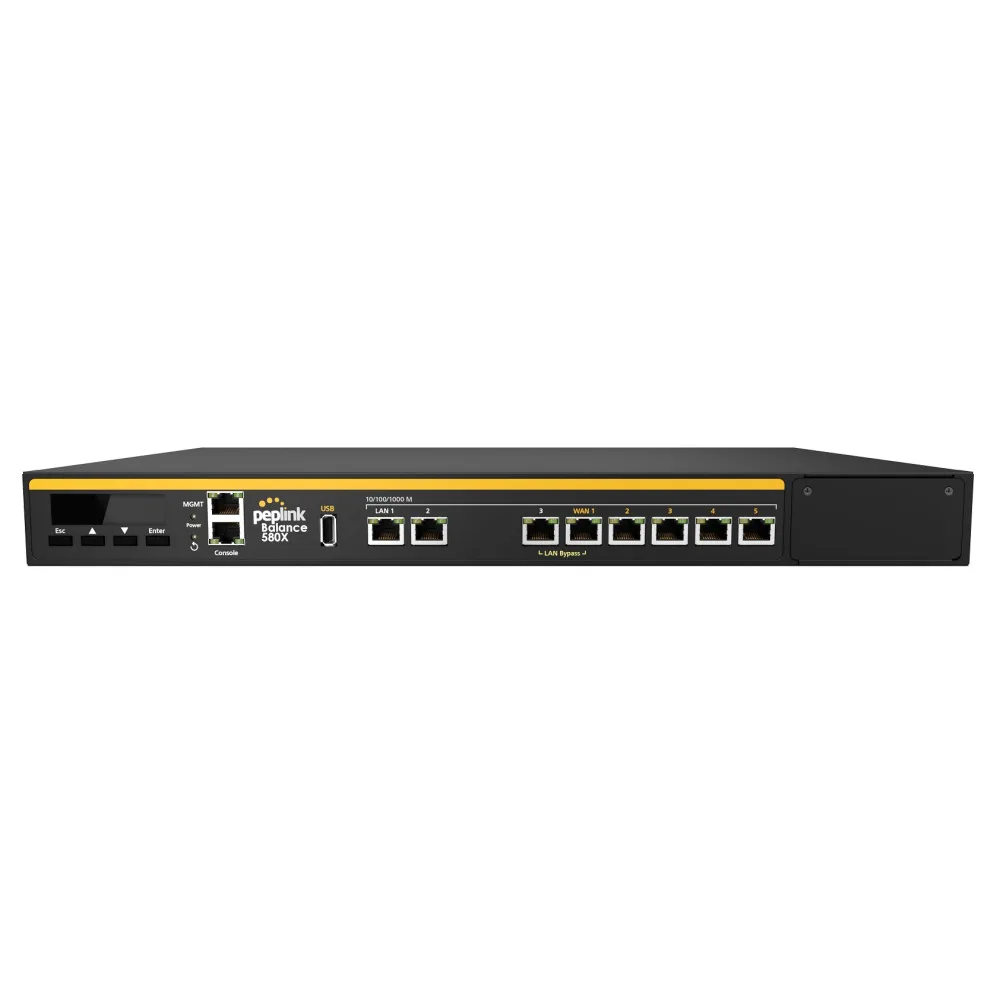 Peplink Balance 580XPeplink Balance 580X high-capacity multi-WAN router for maximum enterprise satellite and cellular throughput.
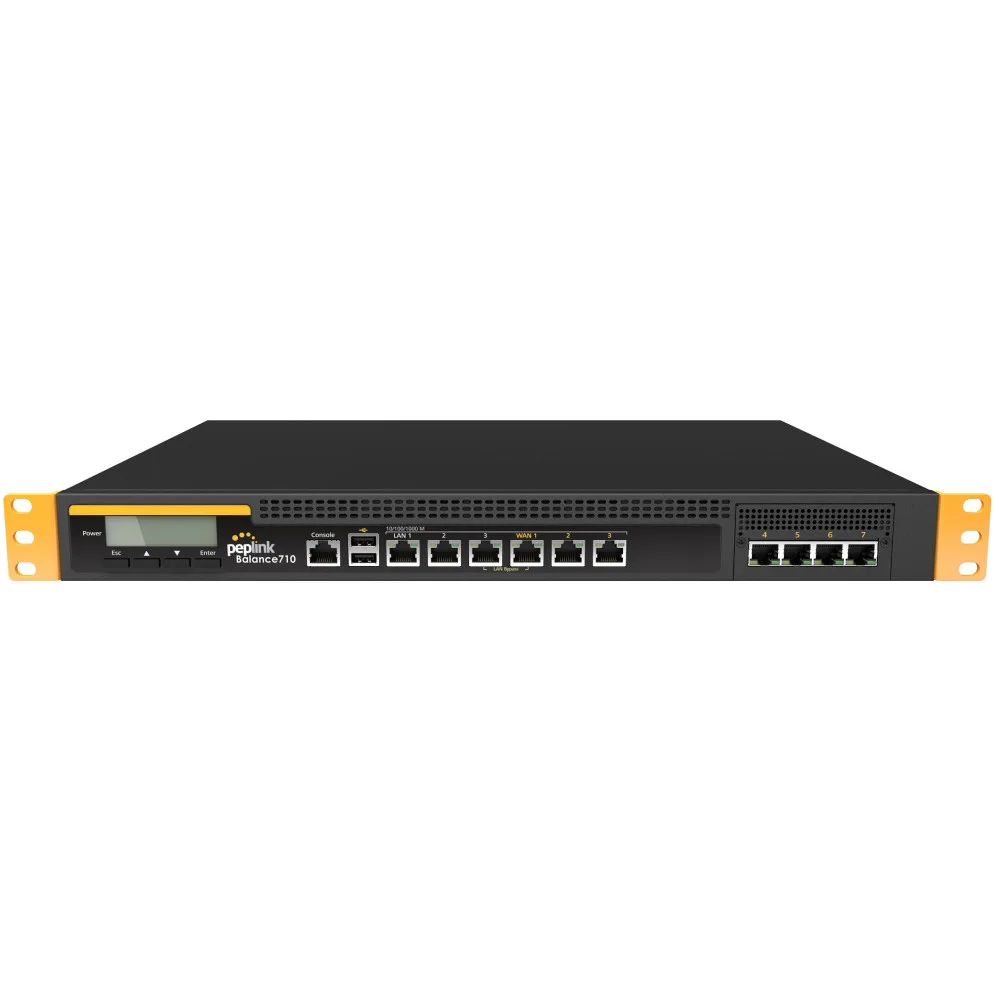 Peplink Balance 710Peplink Balance 710 carrier-grade multi-WAN router for large enterprises and ISPs with advanced failover.
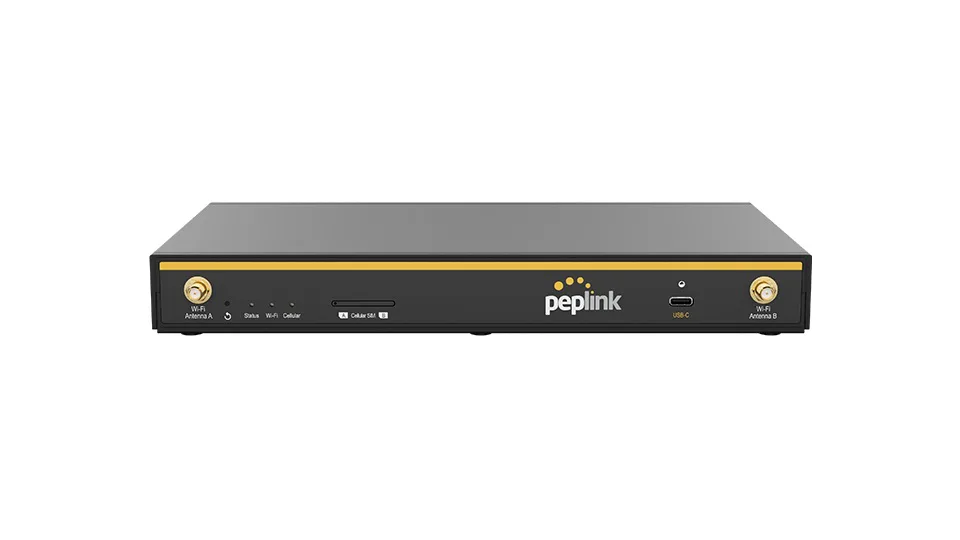 Peplink B OnePeplink B One compact SD-WAN branch router with Wi-Fi 6 and SpeedFusion; the B One 5G version adds an embedded 5G modem.
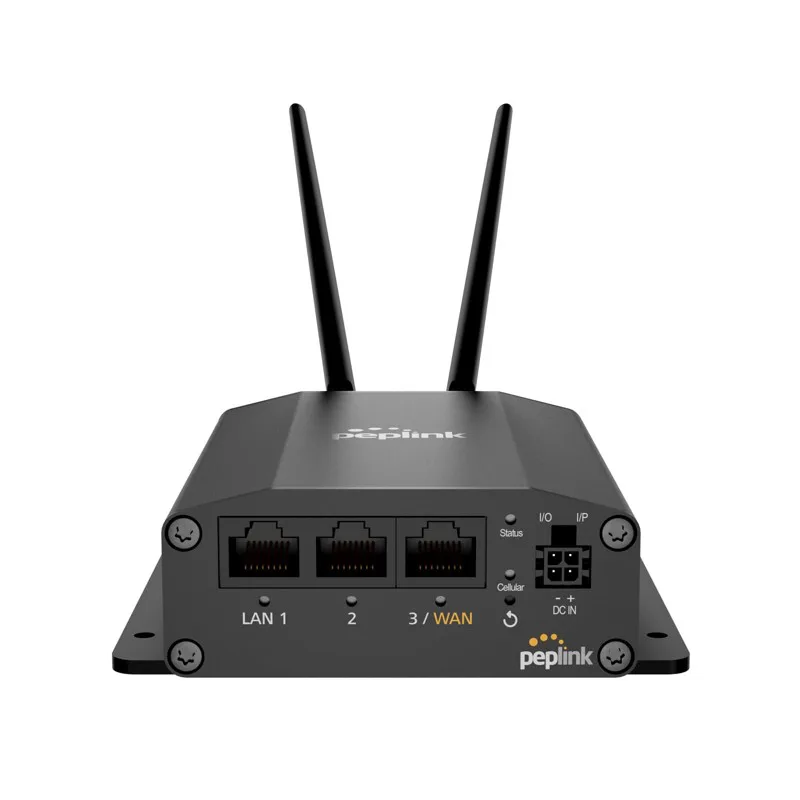 Peplink MAX BR1 MiniPeplink MAX BR1 Mini compact cellular router for vehicles and remote sites with SpeedFusion bonding.
 Peplink HD2 MBXPeplink HD2 MBX dual-LTE in-vehicle router with SpeedFusion bonding for mission-critical mobile operations.
Frequently Asked Questions
Is GCCSAT an authorized Starlink reseller?
Yes. GCCSAT is an authorized Starlink reseller and supplies Starlink hardware and business service to customers outside the UAE. We combine Starlink with Peplink SD-WAN, professional installation and 24/7 NOC support, and we advise on the availability and licensing rules that apply in each country or operating area.
Can I use Starlink in the UAE?
No. Starlink and other satellite internet services are not sold within the UAE under national telecommunications regulations, and GCCSAT does not supply them there. Our Dubai team supports organizations whose vessels, camps and offices operate in other countries, checking the licensing position for each location before any service is ordered.
Does Starlink work while a vessel is moving?
Yes, with the right kit, mount and service plan. Starlink designs its Performance kit for in-motion and high-vibration use, and its Priority plans are intended for land and ocean use, including in motion. Performance at sea still depends on a clear view of the sky, so mounting position matters as much as hardware.
Why add Peplink if Starlink already includes a router?
Starlink's router is designed around a single Starlink connection. A Peplink router manages several links at once, bonds them with SpeedFusion, applies business firewall and traffic policies, keeps sessions alive during obstructions and lets our NOC monitor every terminal centrally. For vessels and enterprise sites, that resilience is the point.
How many Starlink terminals does my vessel or site need?
One terminal can be enough for a small vessel or office with an open view of the sky. Larger ships, rigs and busy camps often use two or more, so that masts, cranes or buildings never block every dish at once and capacity adds up through bonding. We size the number after a survey and a review of user demand.
Related Solutions
Talk to a GCCSAT engineer
Tell us where you operate and what you need to connect. We reply within 24 hours with a recommended design.