
- Home
- Industries
Industries
Enabling transformation and progress across a wide range of industries globally, fostering innovation and growth in every sector.
Explore all → - Solutions
Connectivity
Connecting industries worldwide with reliable satellite internet solutions, driving innovation, efficiency, and growth across all sectors globally.
Explore all → - Services
Professional VSAT & IT Services
Delivering expert VSAT and IT solutions for seamless connectivity, reliability, and performance across all sectors.
Explore all → - Products
Superior Connectivity, Trusted Solutions
Offering premium Satcom products that guarantee reliable connectivity and boost innovation across industries.
Explore all → - Coverage
WorldWide Coverage
Delivering tailored satellite services that enhance connectivity, foster innovation, and support growth in every industry.
Explore all → - About
- Blog
- Contact
VSAT RF Components
VSAT RF Components
The passive and active RF parts that sit between the modem and the antenna: band pass and reject filters, orthomode transducers, flexible waveguide, splitters, combiners, bias tees, attenuators, and coaxial cable and connectors for C, Ku, Ka and L-band earth stations.
How to Choose VSAT RF Components for Your Earth Station
Work along the signal path rather than shopping part by part. Fix the band and the exact frequency plan first, because a C-band filter and a Ku-band filter are not interchangeable and extended bands narrow the choice further. Note the interfaces at each end of every component: waveguide flange type, N-type, F-type or SMA, and whether the run is indoor, exposed or on a mast. Establish the power level the part must survive, since anything after the BUC sees full transmit power while receive-side components see microwatts. Decide whether the function should be passive or active; a passive splitter costs you insertion loss on every port, while an active splitter restores level but needs DC and contributes its own noise. Finally, think about what the component is protecting. Most VSAT RF component purchases exist to keep transmit energy out of a receiver, or to stop an adjacent service desensitising the LNB, so specify the rejection you need at the offending frequency, not just the passband.
Filters, OMTs and Waveguide: What Each Part Actually Does
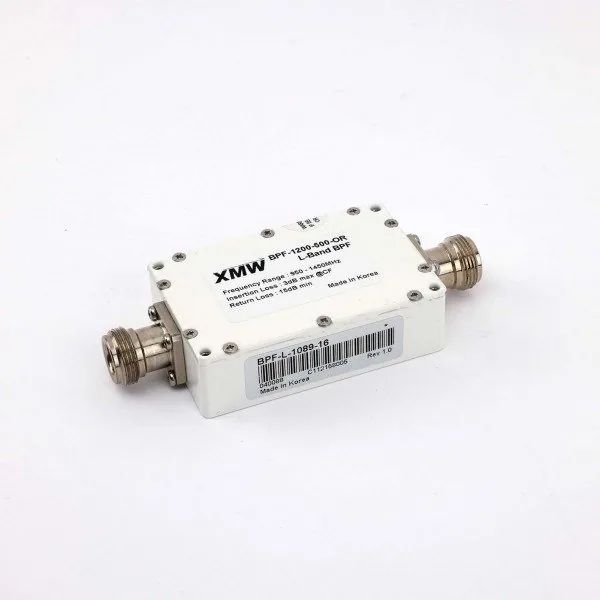
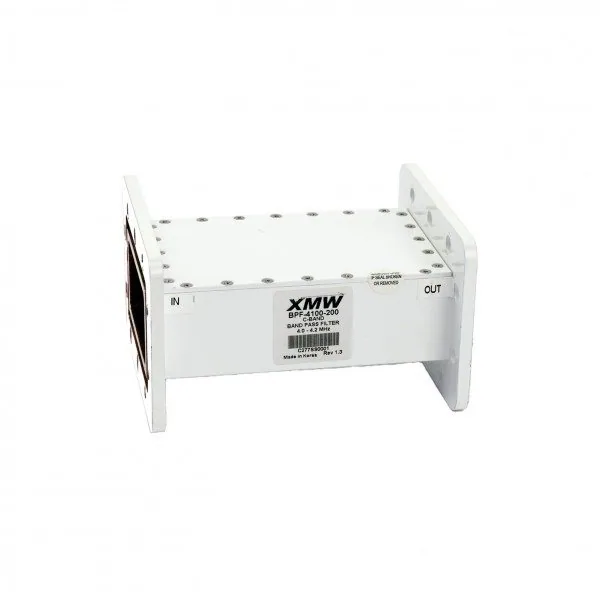
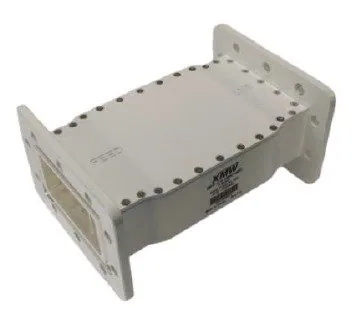
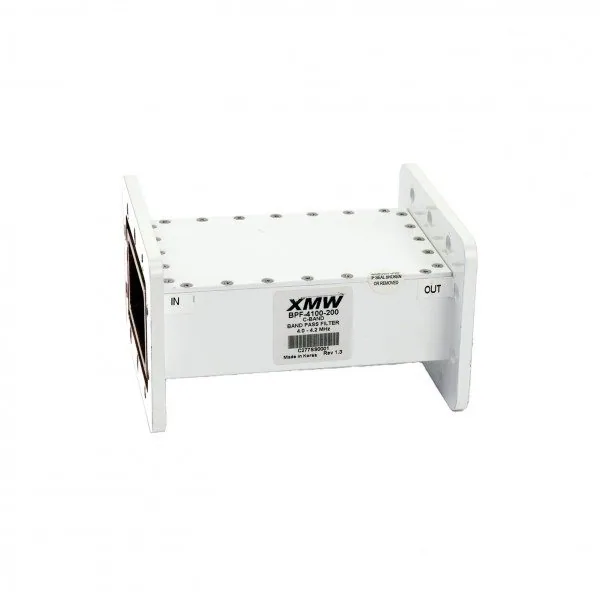
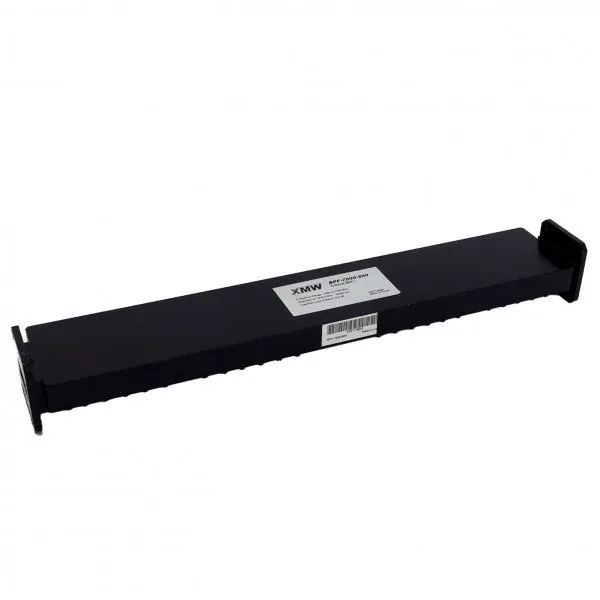
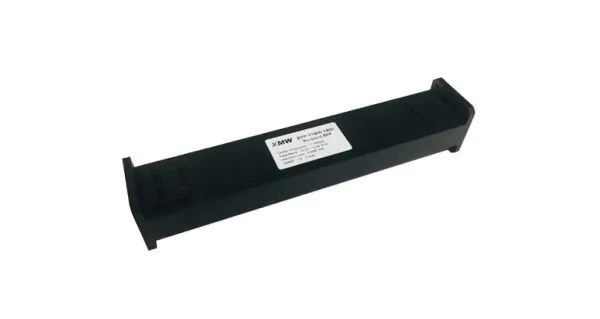
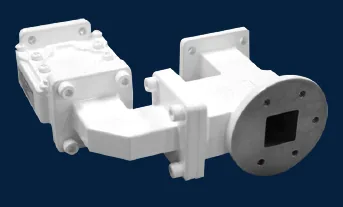
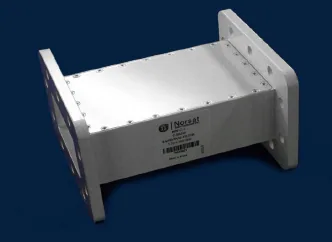
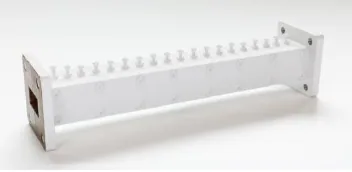
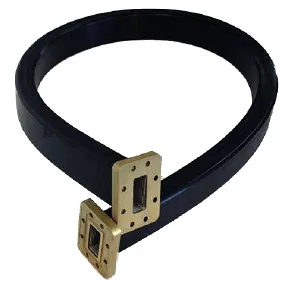
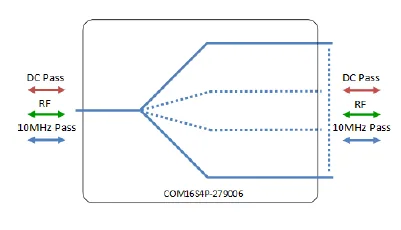
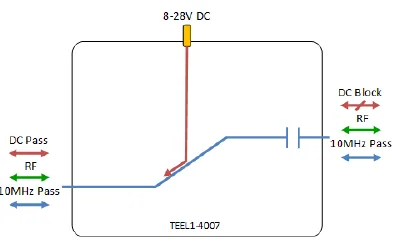
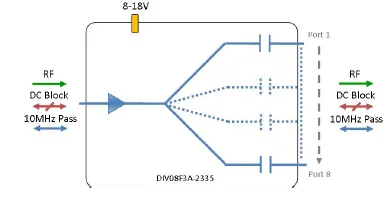
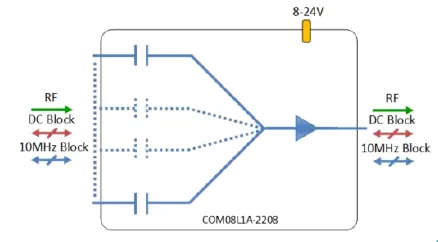
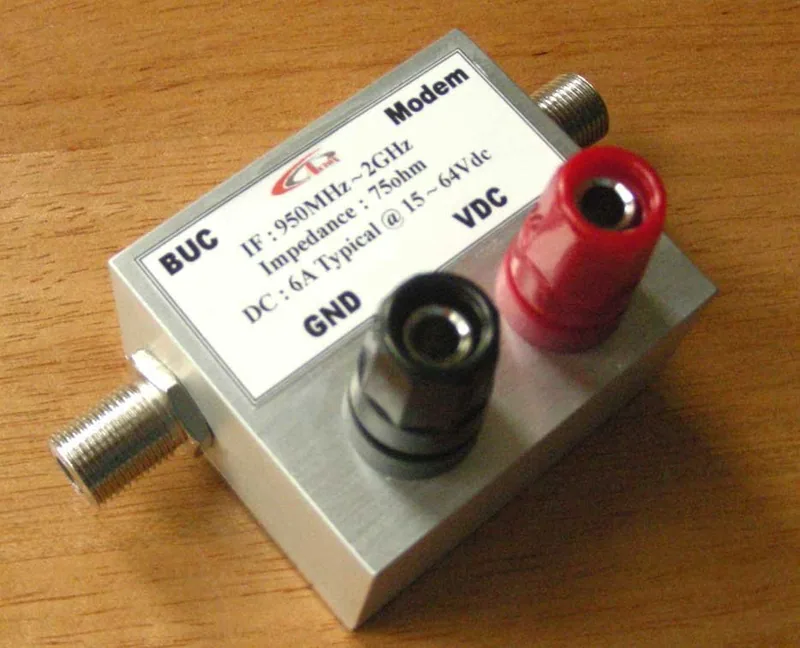
A band pass filter passes your allocated band and attenuates everything else, which is how a receive chain survives a strong transmitter a few metres away. A transmit reject filter is the same idea aimed specifically at your own BUC leakage into the LNB. An orthomode transducer separates the transmit and receive polarisations at the feed so one aperture can do both, and its cross-polar isolation directly limits how clean your uplink looks to the satellite operator. Flexible waveguide takes up the small misalignment between a rigid run and the BUC or feed, and absorbs vibration on a mast or vessel; it is a mechanical answer to an RF problem, so respect the specified bend radius and twist limits. Splitters and combiners share one L-band feed between several modems, or bring several IF outputs onto a single cable. Bias tees and DC power injectors put supply voltage onto the coaxial run so the outdoor unit is powered without a separate cable.
Insertion Loss, Rejection and Power Handling
Insertion loss is the first number to check on any passive part, because every decibel comes straight off your link margin, and loss ahead of the LNA also raises system noise temperature. Rejection matters as much as the passband: ask for attenuation at the specific offending frequency rather than a generic out of band figure. Return loss, often quoted as VSWR, tells you how much energy reflects back; a poor match on a transmit run produces standing waves and heat as well as lost power. Power handling must cover peak output, not average. On multi-carrier transmit paths, check passive intermodulation performance, because low PIM cables and connectors exist precisely to stop mixing products landing in your own receive band. For wideband or high order modulation carriers, look at group delay and amplitude flatness across the passband, since both degrade modem performance well before they show up as an obvious fault.
Coaxial Cable, Connectors and DC Injection
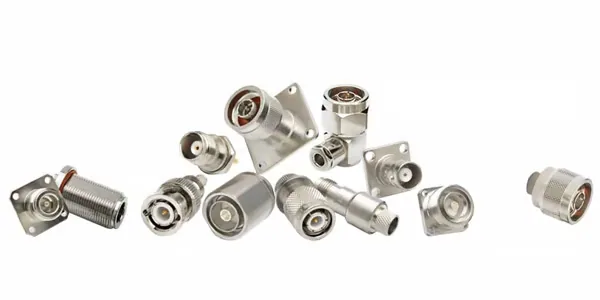
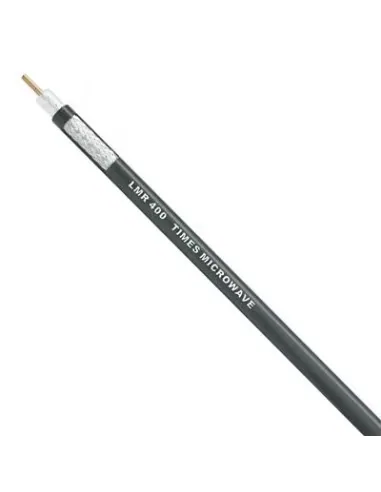
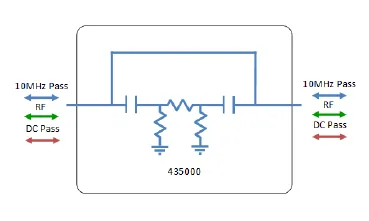
The interfacility link between the indoor modem and the outdoor unit is where avoidable losses accumulate. Loss rises with frequency and with run length, so a cable that is comfortable at the bottom of the L-band can be marginal at the top of it. Larger cables such as LMR600 give lower loss than LMR400 at the cost of weight, price and a wider minimum bend radius, while RG6 and RG11 are receive-only choices rather than transmit runs. Match the connector to the job: N-type for outdoor and transmit paths where weatherproofing and power handling matter, F-type where the run is receive-only. Terminate carefully, weatherproof every outdoor joint and keep a drip loop. Remember what else shares those cables. On a normal two-cable interfacility link the transmit run carries BUC supply voltage and the 10 MHz reference, while the receive run carries LNB supply voltage, so the two are not interchangeable. That is why bias tees, DC power injectors and attenuators belong in the same procurement as the cable itself.
Buying VSAT RF Components in the UAE and Wider GCC
RF components are small, individually inexpensive items whose absence stops an entire earth station, so buy them as a kit rather than as replacements after a failure. When you request a quotation, state the band and frequency plan, the connector or flange types at both ends, the transmit power the part will see, and whether the location is coastal, desert or offshore, because salt and dust drive the sealing and plating you should specify. For projects across MENA and Africa, plan shipping around the fact that waveguide sections and long cable drums are bulky and easily damaged in transit, and order spare connectors and jumpers with the main consignment. GCCSAT supplies band pass and reject filters, orthomode transducers, flexible waveguide, splitters, combiners, bias tees, attenuators, coaxial cable and connectors for C, Ku, Ka and L-band systems across the UAE and the wider GCC, and quotes on request against your RF chain drawing or bill of materials.
VSAT RF Components — Frequently Asked Questions
What is a band pass filter used for in a VSAT system?
A band pass filter passes the frequencies your system uses and attenuates everything else. In a VSAT earth station it usually protects the receive chain, stopping your own transmit energy or a strong nearby service such as a terrestrial mobile network from overloading the LNB and desensitising the receiver. Filters are also fitted after upconversion to keep spurious products out of the transmitted carrier. When specifying one, give the required attenuation at the interfering frequency rather than a general out of band figure, since that is what determines the design.
What is an OMT and do I need one?
An orthomode transducer splits the two orthogonal polarisations at the antenna feed, so a single reflector can transmit on one polarisation and receive on the other at the same time. You need one on any two-way linear-polarised terminal that does not already use an integrated feed assembly containing it. The specification that matters most is cross-polar isolation, because poor isolation appears as interference into the adjacent polarisation and satellite operators will fail the terminal on it during line-up.
What is the difference between LMR400 and LMR600 coaxial cable?
LMR600 is the larger cable and has lower loss per metre than LMR400 at the same frequency, which matters on long interfacility runs or at the upper end of the L-band. The trade-offs are weight, cost, stiffness and a larger minimum bend radius, so it is harder to route inside a mast or a cramped equipment room. A common compromise is LMR600 for the long outdoor run with short LMR400 jumpers at each end where flexibility is needed.
What does a bias tee do in a VSAT installation?
A bias tee combines DC power with the RF signal on a single coaxial cable, so an LNB or BUC can be powered from indoors without running a separate supply cable up the mast. It is also used to insert or extract DC where a modem does not supply it, or where an active splitter interrupts the DC path. Check the current rating against the outdoor unit's draw, and confirm which port is DC blocked before wiring, because feeding DC into an RF-only port can damage equipment.
Should I use an active or a passive splitter for L-band distribution?
Use a passive splitter for short runs and few ports, where the fixed insertion loss, roughly 3 dB each time the signal is halved, still leaves enough level at the modem. Use an active splitter when feeding many receivers, driving long cables, or working with little margin, because it makes up the loss. Active units need DC power and add their own noise figure, and you must confirm how they handle the DC supply and the 10 MHz reference that the outdoor unit depends on.
Can GCCSAT supply VSAT RF components across the UAE, GCC and Africa?
Yes. GCCSAT supplies band pass and reject filters, orthomode transducers, flexible waveguide, splitters and combiners, bias tees, attenuators, coaxial cable and connectors for C, Ku, Ka and L-band earth stations across the UAE, the wider GCC, MENA and Africa. Send the band and frequency plan, the connector or flange types, the transmit power at that point in the chain and the quantities required, ideally with an RF block diagram. Everything in this category is quoted on request.
Product Categories
- VSAT BUC
- VSAT LNB
- VSAT Antennas
- VSAT Fixed Antennas
- VSAT Flyaway Antennas
- VSAT Maritime Antennas
- VSAT KingSat Antennas
- L-Band Satellite Terminals
- Cobham BGAN Terminals
- Thuraya L-Band Terminals
- VSAT Satellite Modems
- Satellite Phones
- Teltonika Products
- Sangfor Firewall & SD-WAN
- Thuraya Accessories
- Excelerate Hybrid Connectivity
- Peplink Products
- VSAT RF Components
- VSAT Hub & Test Equipment
- Remote Site Power Systems
Need a Quote?
Contact our sales team for pricing, availability, and shipping to your location.
Request QuoteWhatsApp